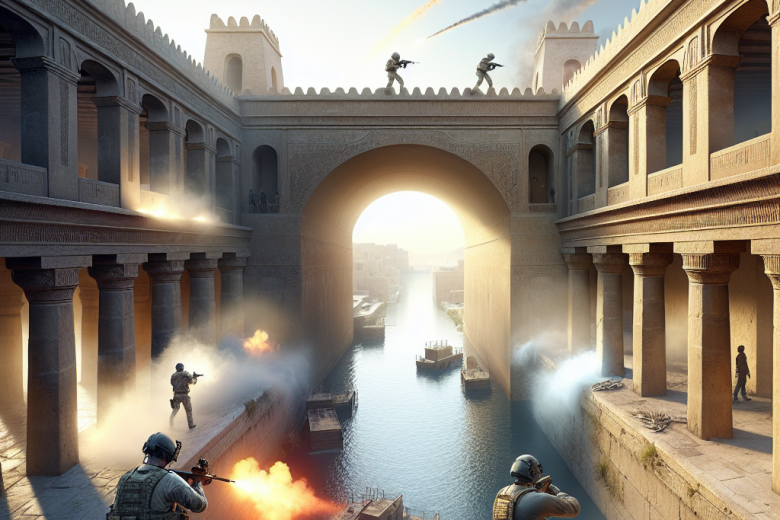
Anubis: mid drop moved — how mid fights change
Quick summary
In a recent Anubis map adjustment the mid-drop position has been moved, altering approach lines and timing for mid control. The change affects both attackers who want fast mid access and defenders relying on vertical denial or late retake angles. Below we break down the tactical implications, immediate adaptation tips, and an editorial forecast for teams preparing for scrims and competitive events over the coming weeks.
What exactly changed
The adjustment is spatial rather than purely visual: the drop point that previously favored defenders’ immediate vertical angles has been nudged forward (toward T side lines), which changes sightlines, exposure timing, and the effectiveness of some established utility stacks. While the core lanes remain, the window of vulnerability when dropping into mid is now shifted, meaning CTs can no longer reliably trade from the same cover and Ts must rethink commitment timing.
High-level consequences
- Faster T mid presence: attackers can contest mid slightly earlier with less immediate punishment from the original drop angle.
- Changed CT hold dynamics: defenders must reposition or use different utility to deny early mid control.
- Rotation timing shifts: both mid-to-A and mid-to-B rotation windows are affected by a few seconds, which compounds in full executions.
Tactical implications for T side
Attackers gain a modest timing advantage to fight for mid. That opens several practical adjustments:
- Earlier mid pushes: a two-player mid push timed at round start can now reach deeper without being funneled into the old drop crossfire.
- Utility efficiency: fewer or shorter smokes and flashes may be needed to clear original sightlines, enabling the T side to preserve utility for site hits.
- Fake and split opportunities: quicker mid presence can be used as a stronger decoy to pull rotations before a fast B split.
Practical T-side setups
- Two-man early mid with one lurker holding a deeper lane to capitalize on the shifted angle.
- Use compact flashes to buy the initial moments rather than long-duration smokes that delay execute tempo.
- Coordinate mid pressure two seconds before the main site commitment to force CT mis-rotations.
Implications for CT side
Defenders must adapt quickly or lose the mid battle habitually. The shift reduces the effectiveness of static anchor positions and increases the value of proactive utility and off-angle play.
CT adjustments to consider
- Re-centering anchor spots: move passive anchors slightly forward or change elevation to regain sightline control.
- Utility reallocation: invest more HE and spam utility into newly exposed entry lanes and keep one rapid flash ready for drops.
- Early information plays: send a brief prod (smoke or flash) into mid to confirm T commitment instead of waiting to be engaged.
How mid fights themselves will change
Expect shorter, more frenetic exchanges at mid. The change encourages earlier aggression and punishes static defensive setups. Where mid fights were often prolonged contests of sustained utility and careful peeks, they will now favor quick trade setups and decisive flashes. Teams that can coordinate sub-two-second window attacks will win more mid duels.
Impact on rotations and economy
Because mid control often dictates rotation timing on Anubis, the moved drop alters when teams commit to site rotations. Offense that secures mid earlier can force CTs into premature rotations, weakening site defense economy-wide. Conversely, failed early mid attempts can be punished hard because of the new angles — economy management and round-commit discipline become critical.
Short checklist for coaches and captains
- Review replay clips focused on the new mid angles; adjust smoke/flash lineups accordingly.
- Drill 2v2 and 3v3 mid skirmishes emphasizing speed and utility sequencing.
- Practice rotation timings in custom matches to recalibrate thresholds for committing to A or B.
- Communicate new anchor positions and crossfire responsibilities before the next scrim or match.
Editorial forecast
Teams that value dynamic mid control and have practiced rapid coordination will benefit most from the change. Defensive-minded squads that rely on slow reads will need to adapt or risk losing mid dominance. Over the next few weeks — including upcoming qualifiers and online cups — expect a meta tilt toward quicker mid engagements and streamlined utility use. Coaches who implement the checklist above will see reliable short-term gains.
Final notes
Map adjustments like the Anubis mid-drop move reward teams that iterate quickly. The change is not game-breaking, but it is impactful: small timing shifts cascade into different decision trees for both sides. Treat the tweak as an invitation to innovate mid approach, refine callouts, and exploit newly available tempo windows. The coming weeks of scrims will separate those who adapt from those who rely on legacy habits.